Whispers of Color, Rooms of Calm

Today we explore Quiet Luxury Color Palettes for Serene Interiors, focusing on colors that whisper rather than shout, materials that age gracefully, and light that softens edges. Expect nuanced undertones, layered neutrals, and thoughtful contrasts that invite deep breaths, slower mornings, and evenings that hum with quiet confidence, all grounded in practical steps you can apply room by room.

Foundations of Effortless Refinement

Quiet luxury begins with restraint and intention. Instead of collecting shades, we choreograph relationships between light, material, and proportion. Subtle variations of warmth and coolness meet honest textures, allowing space to breathe. The result is calm that feels inevitable, not staged, and comfort that deepens with daily use.

Understated Neutrals, Layered Depth

Begin with a quiet base that carries a soft undertone—ivory mellowed by almond, greige touched with mushroom, or stone warmed by a hint of clay. Build depth through tonal layers, letting textiles, woods, and patinaed metals enrich perception without tilting the palette toward noise.

Refined Contrast, Never Loud

Contrast exists, but it whispers. Pair bone with smoked oak, oyster with ink, chalk with bronze. Edges soften through texture and sheen rather than abrupt saturation shifts, so the eye glides, the mind settles, and presence replaces spectacle in every measured transition.

Quality Over Quantity

Fewer hues, better sourced. Choose paints with refined pigments, fabrics woven with natural fibers, and finishes that develop character instead of wear. When elements are honest, even minimal color variation becomes expressive, inviting touch, memory, and a sense of grounded continuity.
Color Psychology That Calms Without Silence

Colors shape tempo and temperament. Warm neutrals invite closeness, cool notes lengthen breath, and earth tones anchor attention. In quiet luxury, we seek resonance rather than novelty, balancing clarity with comfort so every surface contributes to restoration without demanding applause or stealing focus.

Light, Finish, and the Art of Soft Glow

Serenity depends on how color meets light. Consider orientation, seasonal shifts, and bulb temperature alongside finish sheen. Matte diffuses, eggshell balances, satin adds gentle definition. When light and finish align, surfaces hum softly, and even deep shades behave graciously from dawn to candlelight.

Textures, Materials, and Honest Surfaces
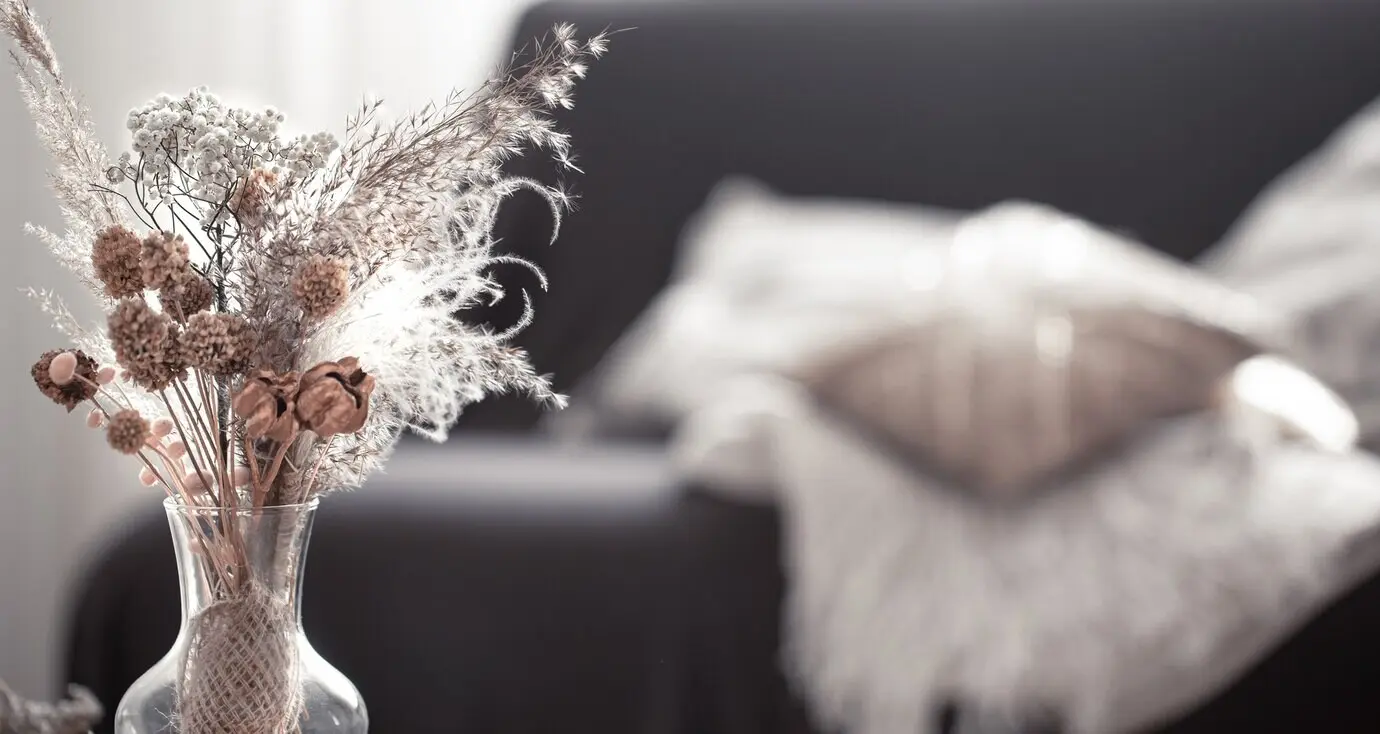
Color is inseparable from touch. Limewash clouds, honed stone muffles glare, and open-pore woods catch light like velvet. In quiet luxury, material integrity carries as much weight as hue, allowing restrained palettes to feel tactile, generous, and quietly celebratory under any light.
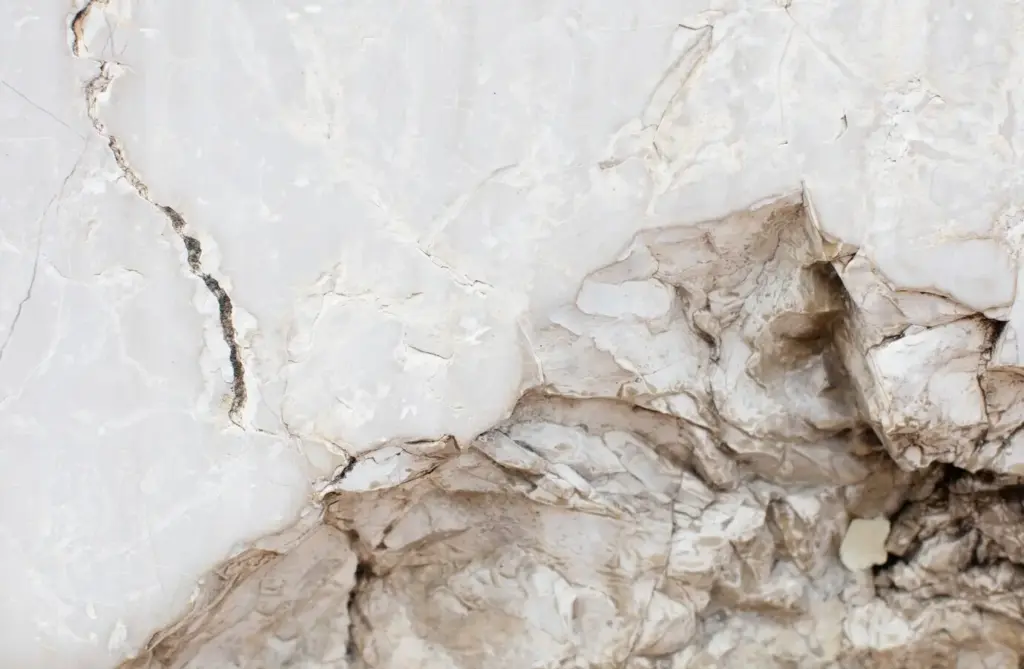
Travertine, limestone, tadelakt, and lime plaster are not mere backgrounds; they are living colors. Their mineral variation introduces movement subtler than patterns, bonding with paints and textiles to establish intimacy, history, and a sun-softened, time-honored glow that photographs cannot fully capture.
Rift-sawn oak, walnut, and ash read as colors when finishes stay natural. Pair them with unlacquered brass, patinated bronze, or brushed nickel, choosing based on undertones already present. Metals should echo, not dominate, adding a soft rhythm that coordinates without matching rigidly.
Linen, wool, silk, and mohair carry color with incomparable subtlety. A chalky boucle softens acoustics; a gauzy curtain filters glare into honey. Keep patterns minimal or micro-scale so the palette rests easy, letting the hand of the fabric deliver most of the interest.

Building Your Palette, Step by Step

A coherent home grows from a few well-chosen notes repeated thoughtfully. Identify an anchor, add two or three supporting tones, then select one or two accents for sentiment. Test at scale, across light conditions, and alongside materials to verify harmony before committing.

The Anchor: Base Hue With Gentle Undertone

Pick a neutral whose undertone flatters your fixed elements. If flooring leans warm, consider greige with a beige note; if stone skews cool, explore putty with green-gray. Paint large swatches, observe across days, and keep notes to track how the hue behaves.

Secondary Shades and Tonal Bridges

Choose two companions that sit a step lighter or darker, or shift temperature slightly without breaking continuity. These create easy transitions between zones and prevent monotony. Aim for family resemblance, not identical twins, so movement feels natural while the overall impression remains cohesive.

Accents: Whisper, Do Not Shout

Select accents with purpose: a dusky blue on a library back panel, olive on a door edge, ink on a slim console. Keep scale restrained, repeat thoughtfully, and let texture carry drama so the color reads as emphasis, not interruption.

Stories From Serene Homes

Real rooms teach better than rules. Across apartments and townhouses, we see the same quiet lessons: simplify, edit, and seek connection between tones. These stories reveal how small shifts in undertone, sheen, and texture reshape energy, while preserving personality and everyday life.
Veroruzakumozupeki
Privacy Overview

This website uses cookies so that we can provide you with the best user experience possible. Cookie information is stored in your browser and performs functions such as recognising you when you return to our website and helping our team to understand which sections of the website you find most interesting and useful.